
Camera Equipment Mastery: Online Course with Live Coaching and Certification
Master modern camera equipment through an immersive, structured online program combining expert-led modules, live coaching, and a rigorous certification pathway. Build practical confidence selecting, configuring, and operating cameras, lenses, lighting, audio, and support gear for professional stills and video assignments across diverse environments.
About the Academy
We are a training academy built by working cinematographers, photographers, and production managers who value practical results over theory alone. Our mission is to translate complex equipment decisions into clear, repeatable workflows that deliver dependable outcomes on real, paid assignments worldwide.

Course Overview and Outcomes

Explore the program’s scope, learning outcomes, and coaching structure designed to transform confusion into clarity. Understand how each module builds toward real-world proficiency and a certification validating your capability to execute professional shoots reliably and independently.
- Who This Course Is For Designed for driven beginners, emerging creators, and working professionals seeking structured mastery. If you struggle to choose bodies, lenses, or accessories, or want disciplined workflows and measurable coaching feedback, this program builds confidence, efficiency, and reliable, repeatable quality across varied photographic and video scenarios.
- What You Will Achieve By completion, you will competently evaluate, configure, and operate cameras, lenses, lighting, audio, and support gear for diverse assignments. You will articulate reasoning behind choices, troubleshoot under pressure, collaborate effectively on set, and present a cohesive, standards-aligned portfolio demonstrating consistent technical and creative decision-making to clients or employers.
- Learning Approach and Tools Lessons integrate concise videos, downloadable guides, live demonstrations, and structured practice. You receive checklists, decision trees, and gear calculators, then validate learning through coaching critiques, scenario simulations, and a capstone shoot applying equipment principles in realistic conditions that mirror professional constraints and client expectations.
Curriculum Structure and Learning Path
Follow a modular pathway that progressively deepens competencies, layering foundational theory with practical labs, feedback cycles, and performance benchmarks. Milestones ensure mastery before advancing, supporting confident gear selection, faster setup times, and smoother on-set collaboration with consistent, measurable improvement across modules.
Contact usModule Sequence and Pacing
Begin with camera body fundamentals, continue through optics and exposure, advance into lighting, audio, stabilization, and workflow. Pacing balances depth and momentum, with optional acceleration tracks and catch-up sessions, ensuring learners of varied backgrounds maintain progress without sacrificing comprehension or practical application in real-world projects.
Assignments and Practical Projects
Each module culminates in hands-on tasks that mirror professional briefs. You will plan, shoot, and deliver samples demonstrating technical control, gear justification, and problem-solving. Rubrics assess accuracy, repeatability, and clarity, while coaching sessions address gaps and convert feedback into actionable improvements for subsequent assignments.
Peer Community and Feedback
Join a supportive community for peer critique, equipment comparisons, and shared resources. Structured feedback prompts focus on clarity of intent, gear suitability, and production efficiency. Moderated forums keep discussions practical, while live roundtables highlight recurring challenges and demonstrate solutions using real learner submissions and case studies.
Camera Bodies and Sensor Technologies
Demystify camera platforms by comparing ergonomics, autofocus systems, codec options, and sensor performance. Learn to configure menus, assign custom buttons, and update firmware to streamline operation, reduce cognitive load, and maintain reliable performance across different brands and shooting environments.
DSLR vs Mirrorless Trade-offs
Evaluate viewfinder behavior, autofocus sophistication, battery longevity, lens ecosystem maturity, and weight considerations. Through demonstrations, learn when optical viewfinders aid tracking, when mirrorless excels in low-light AF, and how electronic shutter features influence motion rendering, rolling shutter risk, and silent operation in sensitive environments.
Sensor Sizes and Dynamic Range
Compare full-frame, APS-C, Micro Four Thirds, and larger formats for field of view, noise characteristics, and highlight retention. Understand how pixel pitch, readout speed, and dual gain architectures affect exposure latitude, color fidelity, and grading flexibility, enabling informed body selection for specific client deliverables and budgets.
Menus, Custom Buttons, and Firmware
Streamline field operation by mapping critical controls to customizable buttons, saving banks for stills and video, and maintaining firmware updates. Practice building universal profiles for exposure, picture styles, and autofocus behavior so switching bodies or assignments minimizes setup time and maximizes predictable, repeatable performance.
Lenses and Optics Selection
Choose lenses with intention by understanding optical design, focal length behavior, and rendering characteristics. Learn to match primes or zooms to creative objectives, production constraints, and stabilization requirements, ensuring consistent sharpness, perspective control, and aesthetic continuity across your body of work.
Primes vs Zooms Use Cases
Examine speed, size, optical performance, and flexibility differences. Primes offer wider apertures and consistent rendering, aiding low-light and subject isolation. Zooms provide rapid framing changes, crucial for events and documentary work. Practice selecting combinations that balance agility, image quality, and budget without compromising storytelling intent.
Focal Length and Perspective
Analyze how focal length influences spatial relationships, background compression, and viewer engagement. Through guided comparisons, learn to avoid distortion pitfalls, maintain flattering proportions in portraits, and manage environmental context. Build a versatile kit that covers essential angles while minimizing overlap and unnecessary weight in your bag.
Specialty Lenses: Macro, Tilt-Shift, and Cinema
Discover tools for precision and creative control. Macro unlocks detail-oriented product and nature work; tilt-shift corrects perspective or creates selective focus effects; cinema lenses offer smooth mechanics and consistent T-stops. Evaluate rental options, maintenance needs, and return on investment before committing purchases for niche assignments.
Exposure Mastery: Aperture, Shutter, ISO
Control exposure with confidence using metering modes, histograms, and practical tests. Learn to anticipate motion, depth of field, and noise behavior, then stabilize results with filters, picture profiles, and standardized workflows that preserve detail while respecting creative direction and delivery constraints.
Metering Modes and Histograms
Compare evaluative, center-weighted, and spot metering for challenging scenes. Use zebras and waveform where available, interpreting histograms to protect highlights without crushing shadows. Exercises develop intuition so you expose consistently even when subjects, lighting ratios, or background reflectance shift unpredictably during dynamic shoots.
ND Filters and Exposure Control
Implement fixed and variable neutral density filters to maintain cinematic shutter angles, wide apertures, or controlled motion blur. Learn stacking best practices, color cast management, and filter strength selection. Build a compact filter kit that covers bright exteriors, interview setups, and run-and-gun scenarios without compromising image integrity.
Low-Light Strategies and Noise Management
Combine fast lenses, appropriate ISO strategies, and sensor-specific sweet spots. Leverage in-body stabilization, monopods, and careful shutter choices. Adopt denoising workflows that retain texture and color accuracy, and use practical lighting augmentation to keep skin tones natural while protecting midtones and highlights in difficult environments.
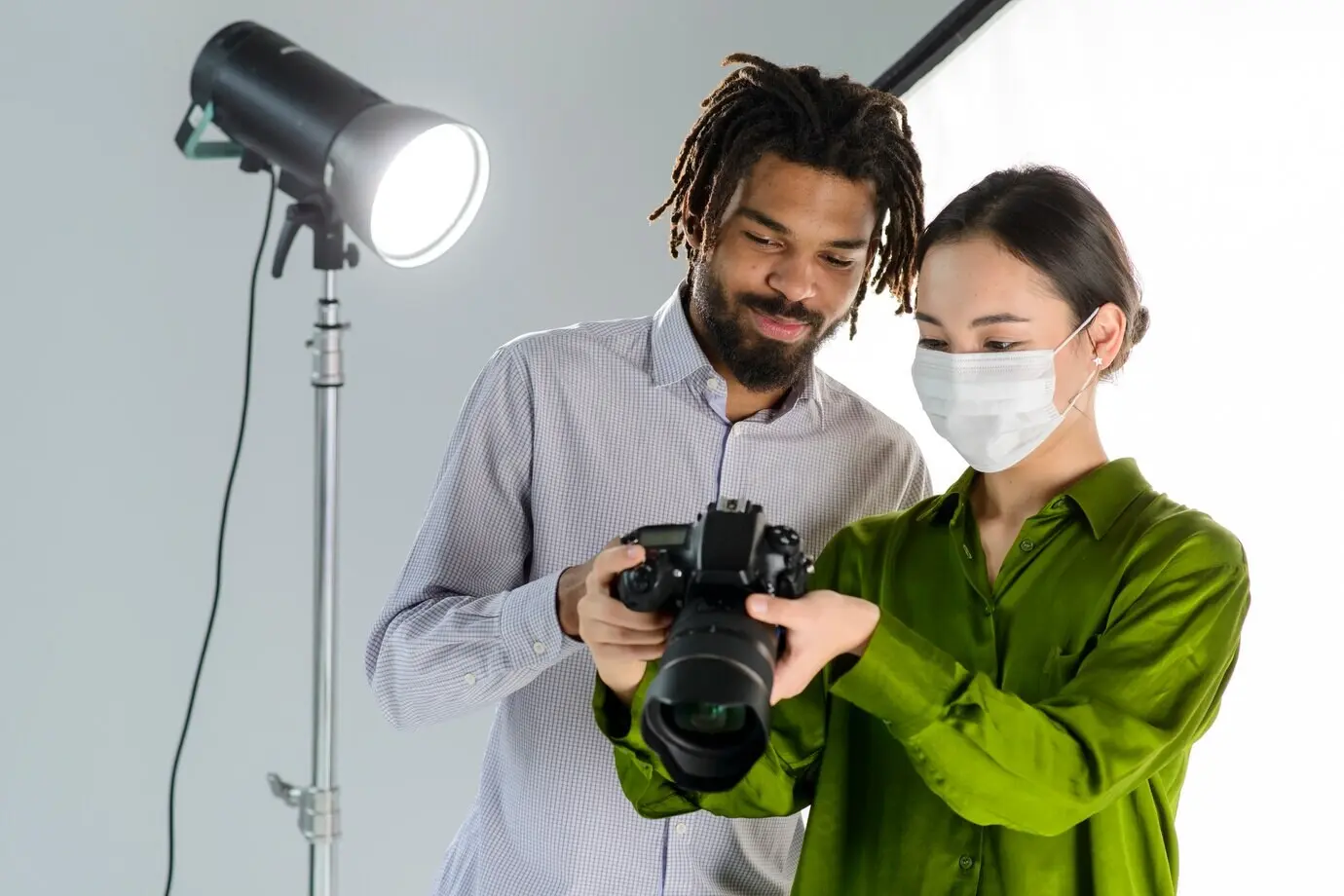
LED Panels, Strobes, and HSS
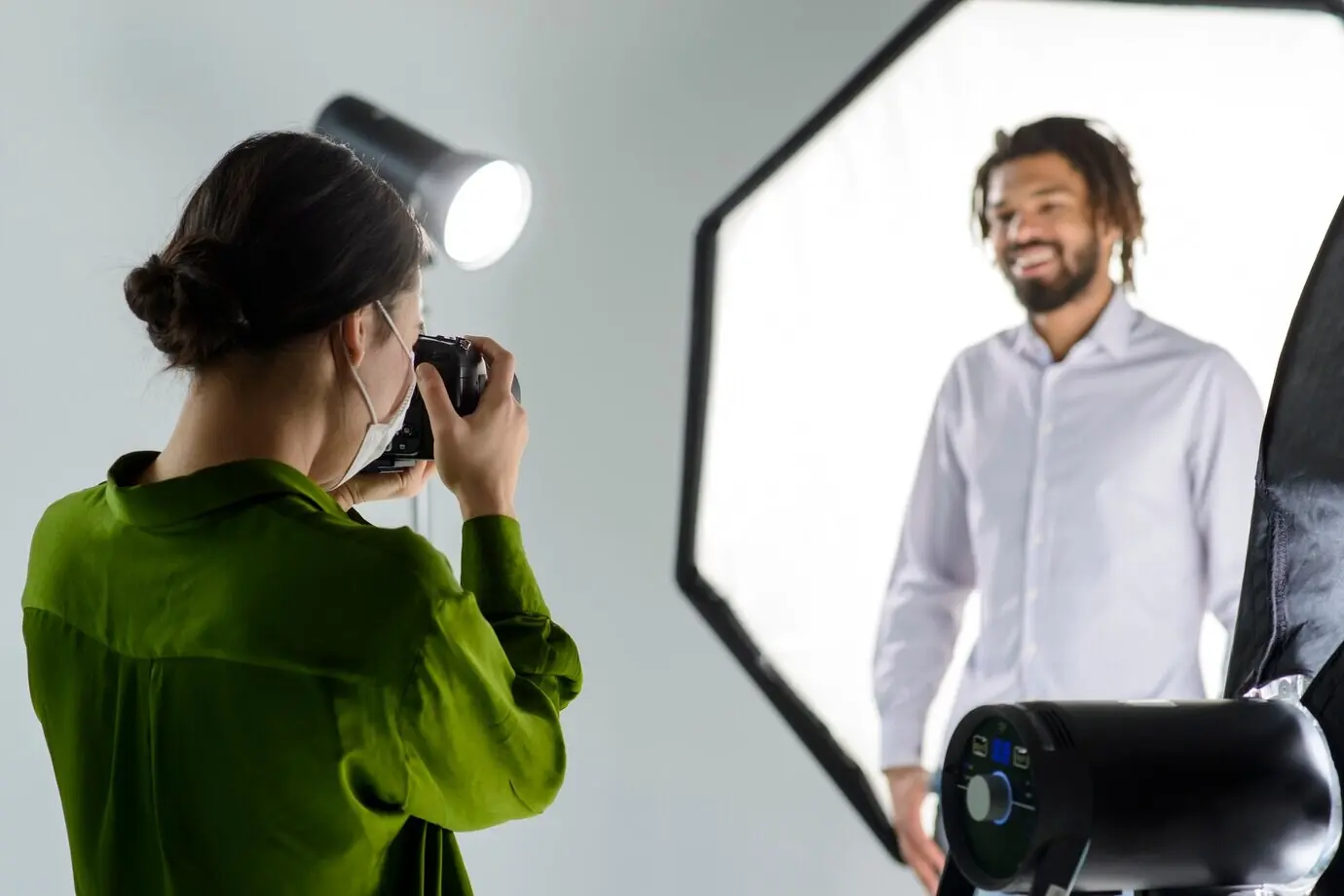
Compare output ratings, flicker characteristics, and portability. Learn when strobes freeze motion and how high-speed sync pairs with ambient control. Configure key, fill, and rim strategies that adapt to space constraints while preserving believable skin tones, accurate color, and pleasing highlight roll-off across different lighting instruments.
Read more
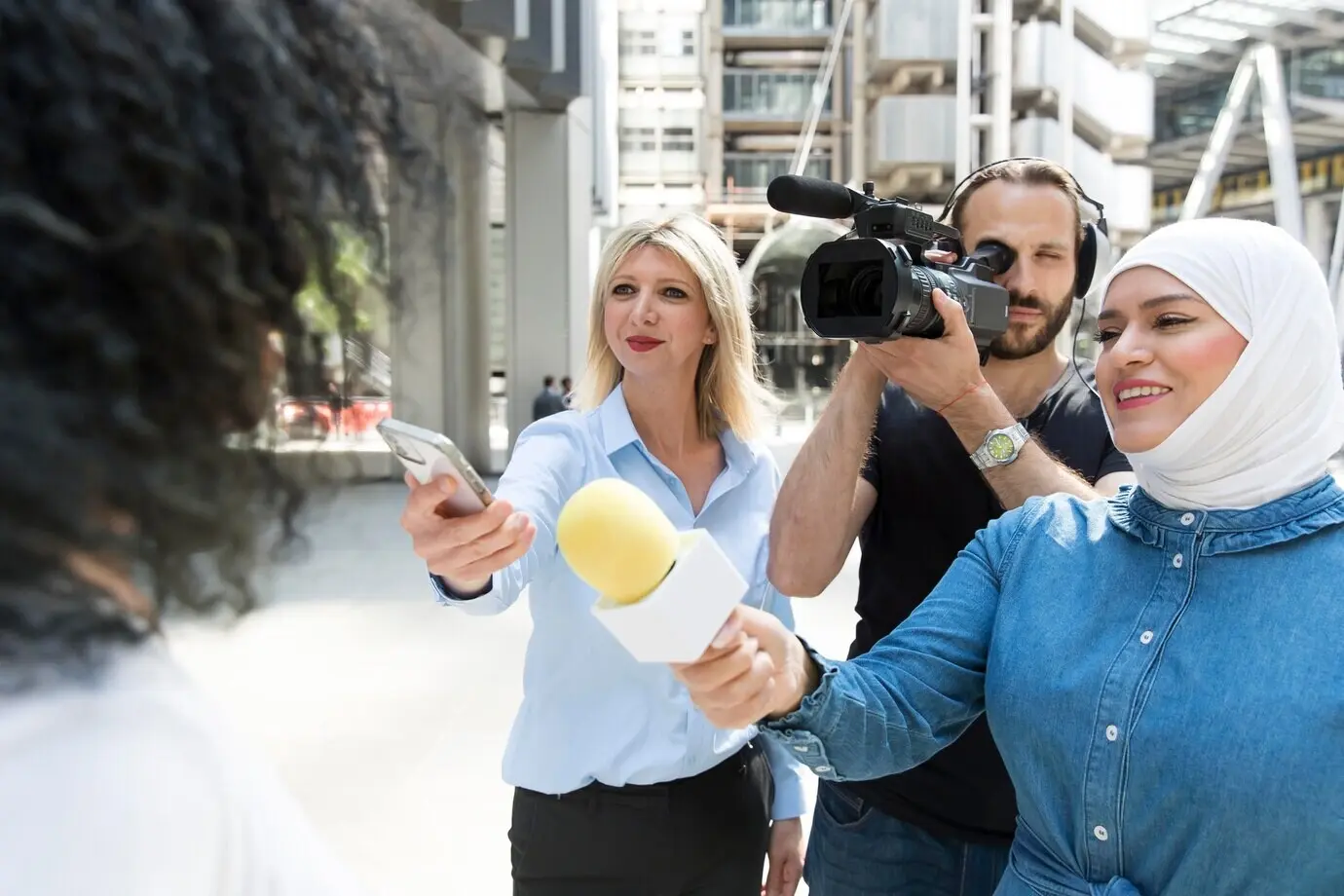
Light Modifiers and Shaping
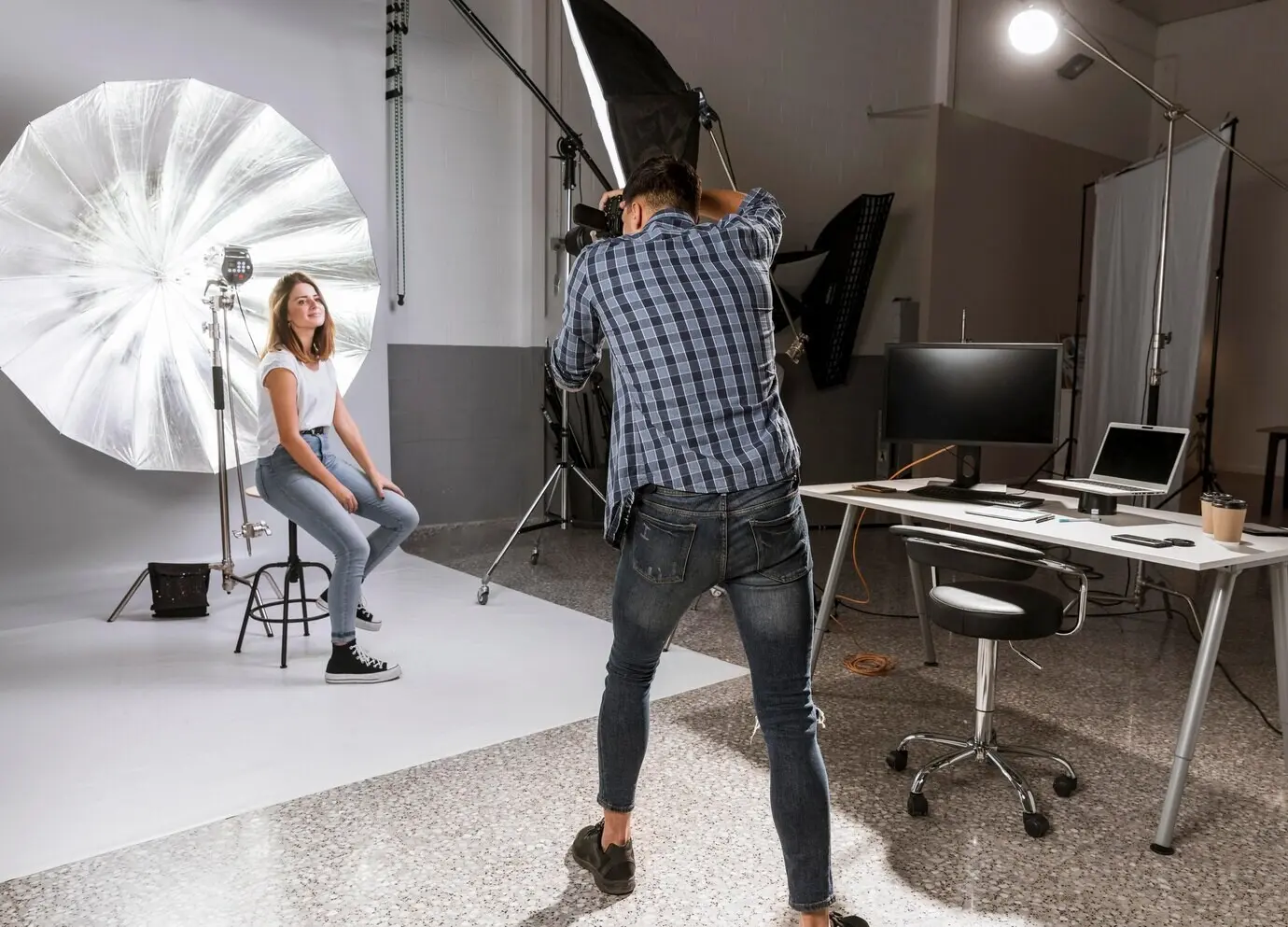
Use softboxes, umbrellas, grids, flags, and reflectors to refine directionality and contrast. Exercises demonstrate edge control, spill management, and subject-background separation. Build a minimal but capable kit that travels well, assembles quickly, and consistently produces professional results without relying on excessive power or impractical accessories.
Read more
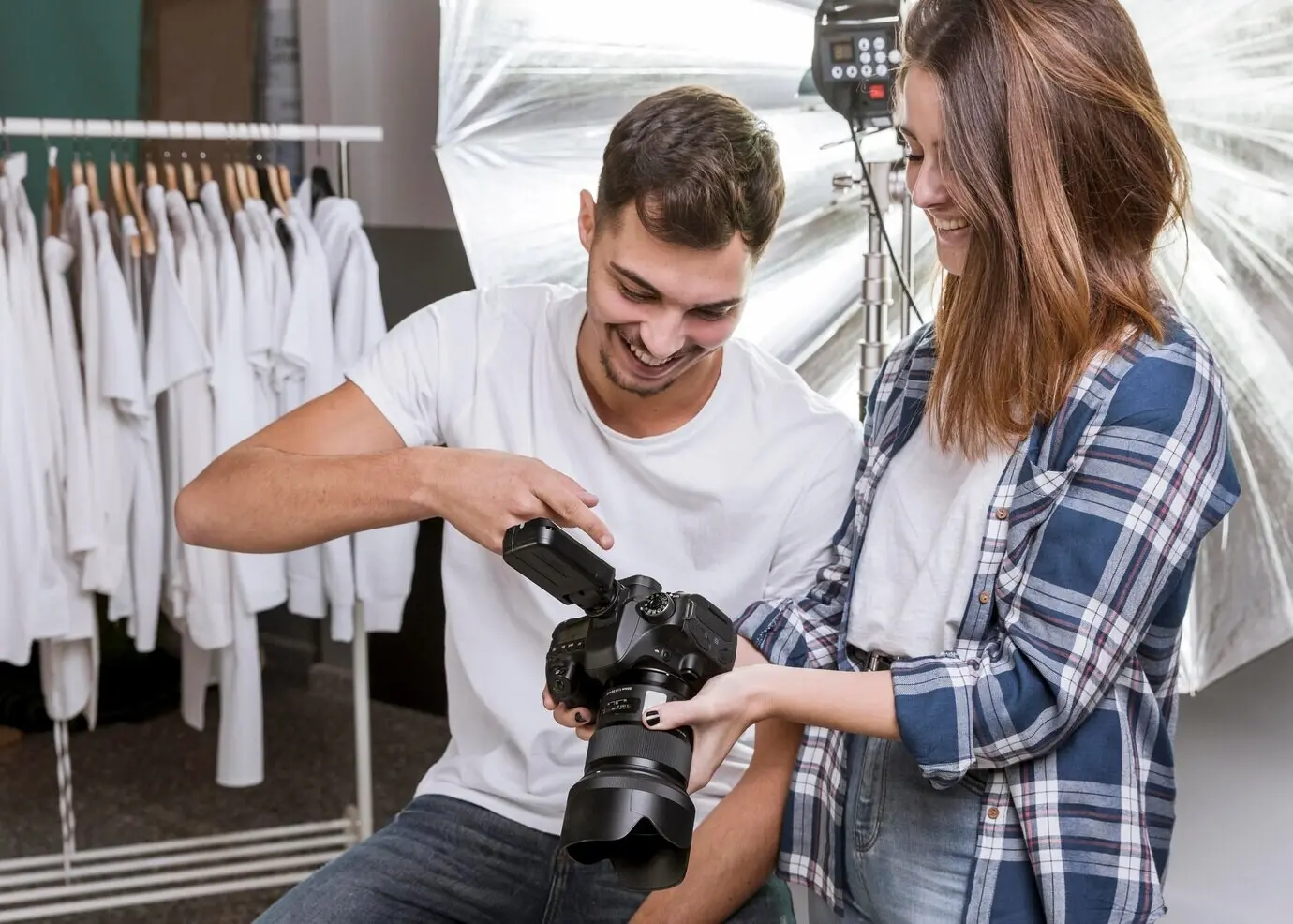
Color Temperature, CRI, and Gels
Measure and match color temperature using meters and camera tools. Evaluate CRI, TLCI, and SSI to predict rendering accuracy. Apply gels for creative effects or correction, maintaining skin tone integrity while balancing mixed sources, practical lights, and ambient conditions during documentary, interview, and commercial scenarios.
Read more
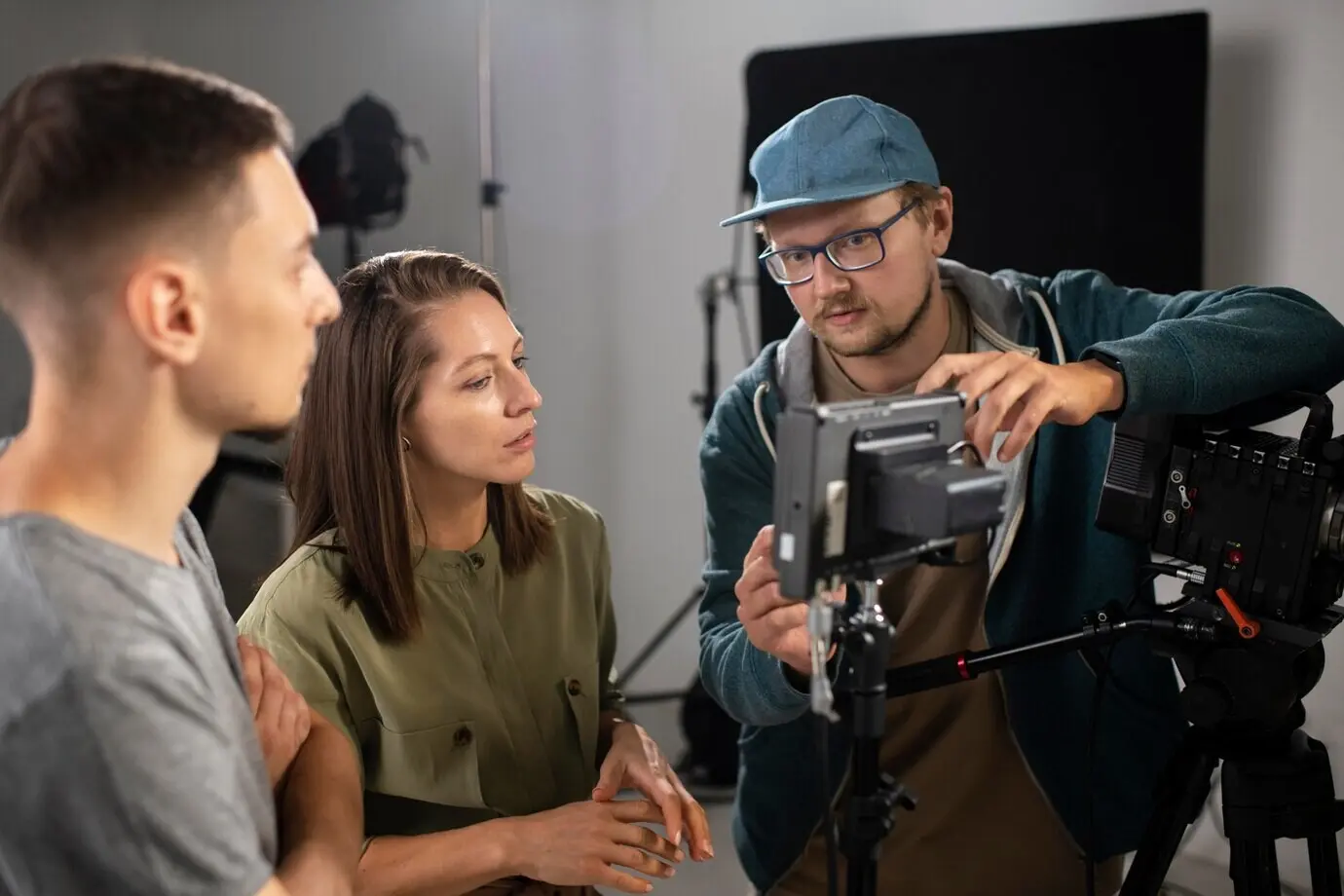
Audio for Video and On-Set Monitoring
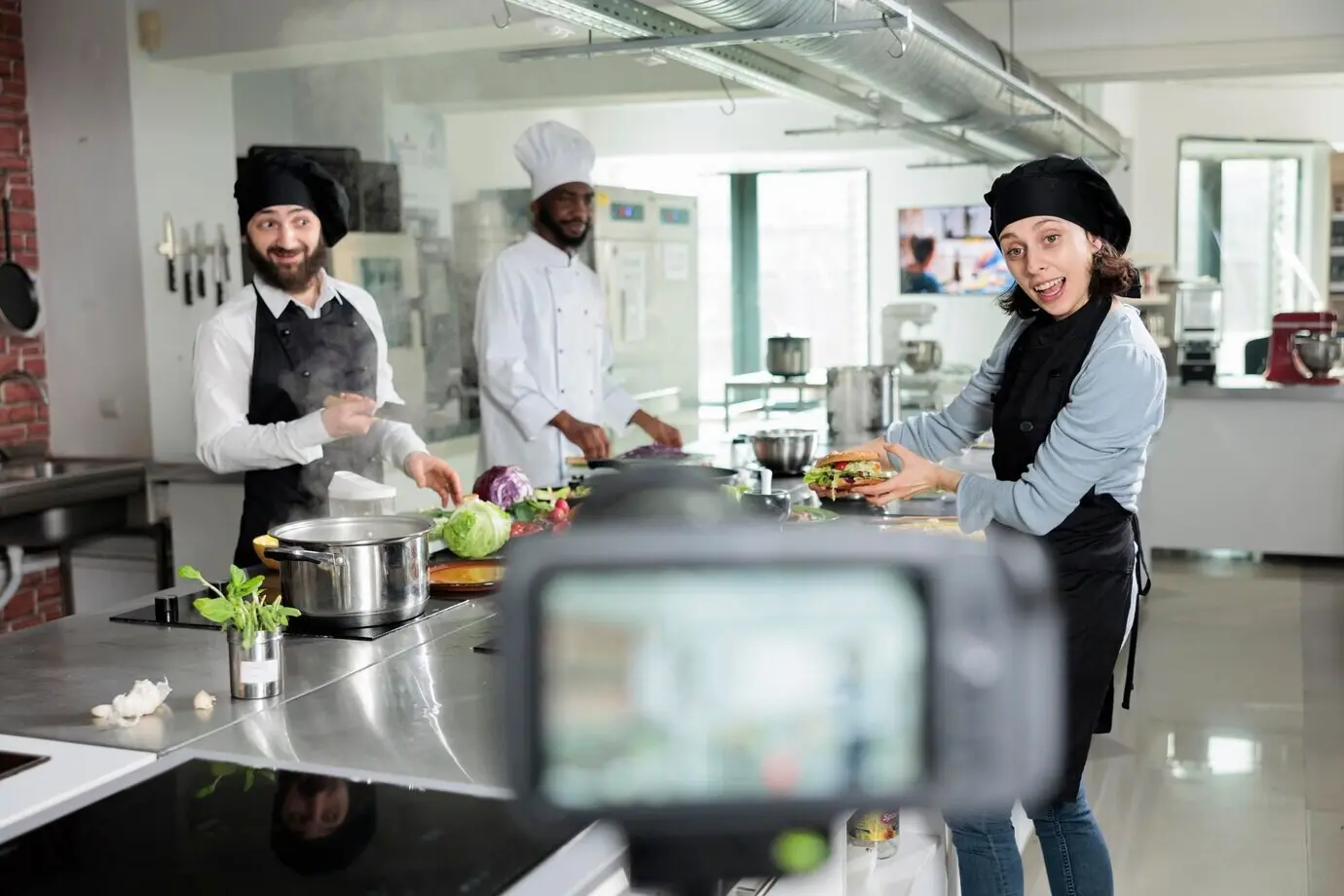
Capture clean, intelligible audio using appropriate microphones, recorders, and monitoring practices. Learn gain staging, safe levels, and redundancy strategies that protect against interference, wind, and handling noise while maintaining sync and clarity during interviews, events, and narrative productions.
-
Choose microphones based on pickup patterns, placement, and movement. Shotguns excel at directional isolation, lavaliers offer discreet consistency, and wireless enables mobility. Configure frequency management, antenna orientation, and bodypack placement to minimize dropouts, clothing rustle, and environmental noise on busy or unpredictable sets.
-
Evaluate recorder preamp quality, dual recording safety tracks, and limiters. Establish gain structure from mic to camera, avoiding clipping while preserving headroom. Adopt headphone monitoring routines and tone slates for sync, ensuring reliable, repeatable results that simplify post-production and reduce time spent repairing problematic audio.
-
Implement foam, deadcats, and blimps to control wind. Use shock mounts and isolation techniques to reduce handling vibrations. Plan shoot layouts that minimize reflective surfaces, HVAC hum, or crowd noise, and develop contingency plans for rapid repositioning when ambient conditions change unexpectedly during critical takes.
Stabilization: Tripods, Gimbals, and Rigs
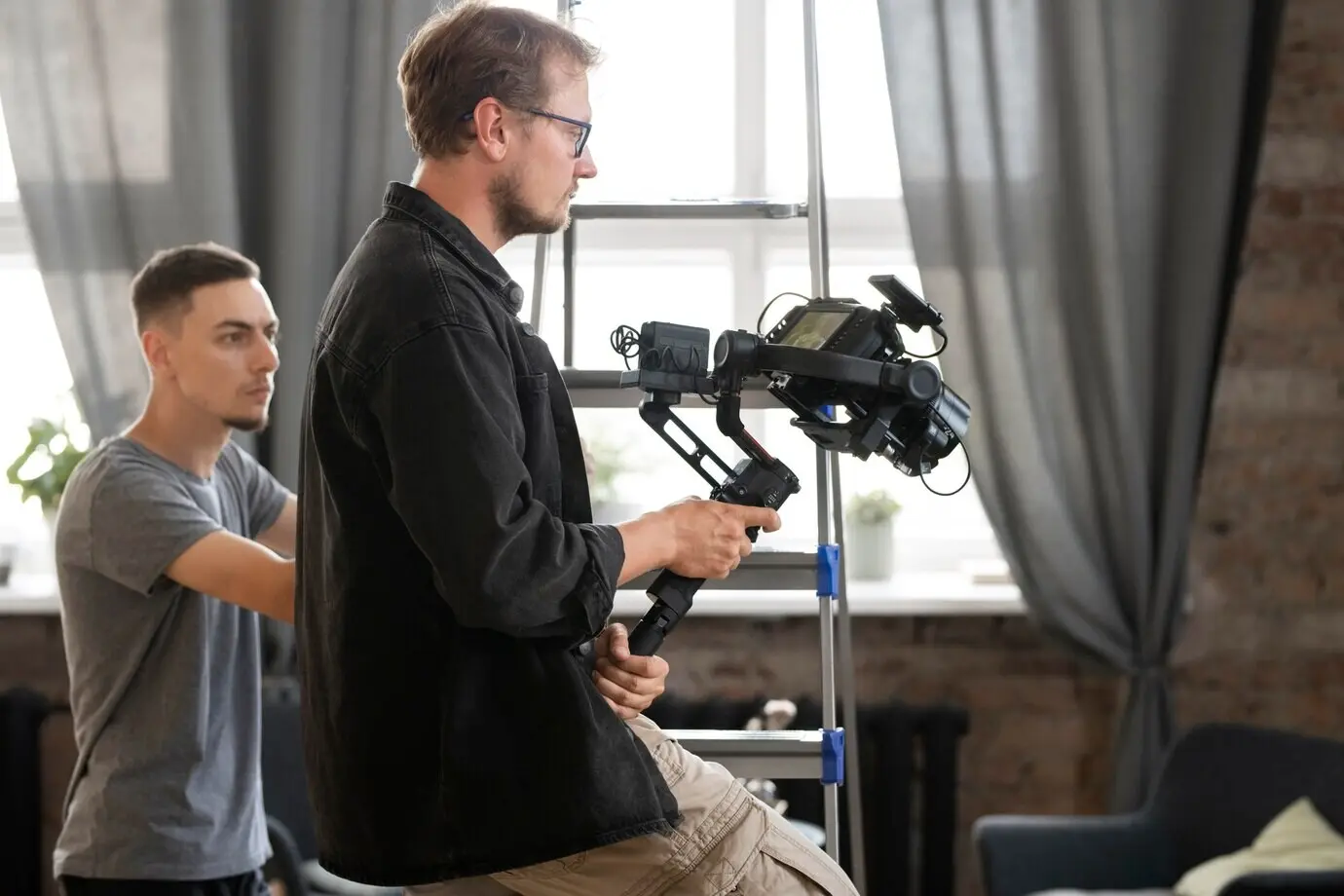
Achieve steady, purposeful shots by selecting appropriate support systems and tuning them for your payload. Balance portability with rigidity and understand how stabilization choices influence framing discipline, operator fatigue, and overall production efficiency during extended shooting days.
Enrollment and Coaching Services
Choose the plan that matches your goals, timeline, and support needs. All options include structured modules, downloadable resources, and community access, with tiered coaching and assessment features that accelerate progress and provide credible proof of capability upon completion.
Core Course Enrollment (Self-Paced + Live Labs)
Gain full access to all modules, downloadable guides, and weekly live labs. Ideal for motivated learners who want structured accountability without one-on-one mentorship. Includes community critiques, assignment rubrics, and capstone guidance, ensuring you build a portfolio that reflects consistent, reliable technical control across disciplines.
9
Premium Coaching Bundle (1:1 Mentorship + Gear Clinic)
Add personalized coaching focused on your equipment, workflows, and career goals. Includes monthly one-on-one sessions, portfolio diagnostics, tailored practice sprints, and a private gear clinic to optimize configurations. Expect accelerated progress, clearer decision-making, and measurable performance gains demonstrated across multiple real-world scenarios.
9
Certification Exam and Portfolio Review
Attempt the proctored competency exam and receive a comprehensive portfolio evaluation from two independent reviewers. Detailed feedback highlights strengths, risks, and next steps. Passing grants a verifiable digital certificate and alumni benefits that strengthen credibility with clients, agencies, and hiring managers across markets.
9
Power, Media, and Data Management
Plan uninterrupted production by managing batteries, external power, media formats, and data integrity. Standardize labeling, logging, and backups to protect footage and stills while maintaining an efficient, traceable workflow from set to edit and archive.
Batteries, Power Banks, and D-Tap
Select batteries based on capacity, discharge rates, and safety standards. Implement V-mount or Gold Mount solutions for extended shoots, and integrate D-Tap accessories for monitors or wireless systems. Track cycles, temperature, and charging protocols to maximize reliability and longevity across demanding, multi-hour productions.
Memory Cards, Codecs, and Bitrates
Match card speed ratings and durability to camera codecs and required bitrates. Understand All-I vs Long GOP trade-offs for editing performance and image fidelity. Establish formatting routines, slot redundancy, and labeling conventions that prevent overwrites, minimize corruption risks, and support consistent, scalable media management on set.
Backup Workflow and Archiving
Implement a 3-2-1 strategy using verified copies, checksum tools, and structured folder templates. Schedule offloads during breaks, maintain checksum logs, and create clear handoff documentation. Choose long-term storage solutions that balance cost, redundancy, and accessibility, ensuring assets remain secure, searchable, and ready for future reuse.
Maintenance, Cleaning, and Care
Maintain equipment performance and resale value through routine inspection, cleaning, and calibration. Prevent avoidable failures by following proven maintenance schedules and field-protection strategies tailored to the environments where you shoot most frequently.
Sensor Cleaning and Dust Prevention
Learn dry and wet cleaning methods, when to use swabs, and how to avoid streaks or residue. Adopt preventative practices—lens changing protocols, body caps, and weather-aware habits—that dramatically reduce contamination, saving time and ensuring pristine files with minimal retouching or post-production artifacts.
Lens Calibration and Microadjustment
Use calibration charts and controlled setups to test focus consistency. Apply microadjustments where supported or verify autofocus accuracy with mirrorless systems. Maintain alignment after transport, monitor focus breathing impacts, and document settings so repeat shoots reproduce results without guesswork or unnecessary troubleshooting delays.
Weather Sealing and Field Protection
Assess sealing ratings realistically, utilize covers and desiccants, and manage condensation during temperature shifts. Pack protective cases with modular compartments and impact-resistant padding. Field-test configurations prior to travel to ensure access, speed, and protection align with your planned shooting conditions and logistical constraints.
Live Coaching: Schedule and Methods
Engage in weekly live labs, targeted Q&A, and structured critiques that convert theory into repeatable practice. Coaching emphasizes measurable progress, individualized action plans, and transparent benchmarks aligned with professional expectations and certification standards.
Weekly Live Labs and Q&A
Participate in scenario-based demonstrations covering setup, troubleshooting, and workflow optimization. Instructors address submitted questions in real time, clarify edge cases, and model decision-making under constraints. Recordings and summaries help you implement changes immediately on your next assignment with confidence and clarity.
One-on-One Coaching Path
Upgrade to personalized sessions focused on your gear, portfolio, and goals. Receive tailored equipment recommendations, improvement sprints, and accountability check-ins. Your coach reviews deliverables, tracks performance metrics, and ensures each cycle translates into concrete, observable gains in speed, consistency, and creative control.

Certification: Requirements and Assessment
Earn a verified certificate by passing a competency exam, submitting a portfolio, and demonstrating consistent, professional workflows. Assessment emphasizes practical decision-making, problem prevention, and on-set reliability, providing credible validation for clients, employers, or advanced educational pathways.
Learn More